
 English
 ไทย
 हिन्दी
 فارسی


injection moulding
Injection moulding is a highly versatile manufacturing process used for producing parts by injecting molten material into a mould. This technique is widely utilized for mass production of both simple and complex components, owing to its efficiency and ability to produce high-quality finished parts with minimal post-processing. Although plastics are the most commonly used materials in injection moulding, metals, glasses, and elastomers can also be moulded through similar processes.The injection moulding process begins with the selection and preparation of raw material, typically in the form of pellets. These pellets are fed into a heated barrel where they are melted and mixed by a screw mechanism. Once the material reaches the desired viscosity and temperature, it is injected at high pressure into a mould that contains a cavity shaped like the final product. The mould itself is usually made of durable materials such as hardened steel or aluminum, and it is precision-engineered to ensure accurate replication of the part design.After injection, the material quickly cools and solidifies within the mould, taking on its intended shape. The mould is then opened, and the solidified part is ejected, often with the help of ejector pins or plates. Depending on the complexity and requirements of the item, additional finishing processes like trimming, painting, or assembly may follow. The cycle then repeats for the next part, enabling high-volume continuous production.Injection moulding offers significant advantages over other manufacturing methods, particularly in terms of speed, repeatability, and the ability to produce intricate geometries. The process is highly automated, reducing labor costs and increasing productivity. Additionally, material wastage is minimal, as excess material can be recycled and used in subsequent cycles.However, there are also some challenges associated with injection moulding. The initial costs, including mould design and fabrication, can be high, which makes the process most cost-effective for large production runs. Design considerations are crucial, as features like wall thickness, undercuts, and draft angles affect both manufacturability and quality of the final part. Proper control of processing parameters—such as temperature, pressure, and injection speed—is critical to avoid common defects like warping, sink marks, or incomplete filling.In summary, injection moulding remains one of the most popular manufacturing processes for creating plastic and other material components at high volumes. Its ability to produce consistent, precise, and complex parts has made it indispensable in industries ranging from automotive and consumer electronics to medical devices and packaging.
نتاج
تصنيف:
-
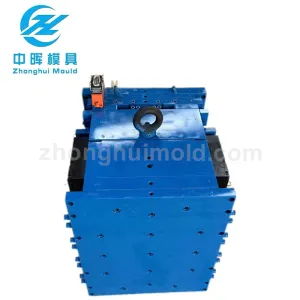
حلول IML المتقدمة لماكينات CNC المخصصة 8 قوالب حقن مانع التسرب من السيليكون للزجاجات الزجاجية للبلاستيك PP
تصنيفها: 8 قالب زجاجة خرطوشة تجويفالمشاهدات: 242عدد:وقت الإصدار: 2026-04-27 09:33:01تمثل حلول ماكينات CNC المخصصة المتقدمة من IML ذات 8 قوالب حقن مانعة للتسرب من السيليكون للزجاجات الزجاجية للبلاستيك PP أسلوبًا متخصصًا للغاية في التغليف الدقيق، حيث يجمع بين هندسة القوالب المتقدمة والأتمتة وعلوم المواد. تم تصميم هذا النوع من الأنظمة للمصنعين الذين يحتاجون إلى إنتاج ثابت وكبير الحجم لمكونات مانع التسرب السيليكونية والإغلاقات المتكاملة التي تعمل بسلاسة مع الزجاجات وحاويات PP البلاستيكية. فهو يجمع بين العديد من التقنيات - التصنيع باستخدام الحاسب الآلي، والأدوات متعددة التجاويف، ووضع العلامات داخل القالب (IML)، ومعلمات الحقن المحسنة - لتحقيق جودة متميزة وأداء قابل للتكرار.يكمن جوه...
أخبار
تصنيف:
لا توجد نتائج بحث!
حالة
تصنيف:
لا توجد نتائج بحث!
فيديو
تصنيف:
لا توجد نتائج بحث!
تحميل
تصنيف:
لا توجد نتائج بحث!
تجنيد
تصنيف:
لا توجد نتائج بحث!
المنتجات الموصى بها
لا توجد نتائج بحث!



 هاتف