
 English
 ไทย
 हिन्दी
 فارسی


injection molding
Injection molding is a widely used manufacturing process for producing parts by injecting molten material into a mold. It is most commonly used with thermoplastic and thermosetting polymers, but can also be employed for metals, ceramics, and glass. The process is highly versatile and capable of producing large volumes of parts with high precision, complex geometries, and excellent surface quality, making it a preferred choice for many industries such as automotive, consumer goods, electronics, and medical devices.The process begins with the design of a mold, typically made from durable steel or aluminum, that defines the shape of the final part. The mold is composed of two halves: the cavity, which forms the exterior surface, and the core, which shapes the interior. Molten material, usually in the form of plastic pellets, is heated in an injection molding machine until it becomes liquid. This molten plastic is then injected under high pressure into the mold cavity via a runner system. The material fills the entire mold, capturing fine details and features.After injection, the material is allowed to cool and solidify within the mold. Cooling is a critical phase, as it affects the part’s dimensional stability and mechanical properties. Once solidified, the mold opens and an ejection system pushes the final part out. The process cycle is relatively fast, with cycle times ranging from a few seconds to several minutes depending on the complexity and size of the part.Injection molding offers several advantages. It enables mass production of identical parts with tight tolerances and minimal waste, as excess material can often be recycled. The process supports automation, further reducing labor costs and increasing repeatability. In addition, a variety of materials and additives can be used to achieve desired mechanical, chemical, or optical properties.However, injection molding also has limitations. The initial cost for mold design and fabrication can be high, making it more suitable for large production runs. Design changes after mold fabrication can be expensive and time-consuming. Furthermore, certain part geometries may present challenges, such as undercuts or thin walls, requiring advanced mold design or secondary processing.Despite these challenges, injection molding remains an essential technology for modern manufacturing, continually evolving with advances in materials, machine technology, and mold design. It plays a crucial role in enabling the production of high-quality, cost-effective components in a broad range of applications.
نتاج
تصنيف:
-
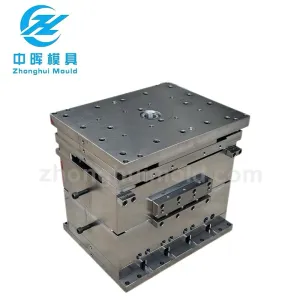
المتقدمة الساخنة/الباردة عداء متعدد تجويف قالب حقن البلاستيك DME القياسية عالية الحجم سيليكون مانع التسرب Zhonghui القالب
تصنيفها: 8 قالب زجاجة خرطوشة تجويفالمشاهدات: 255عدد:وقت الإصدار: 2026-04-27 09:25:08تعتبر أنظمة قوالب حقن البلاستيك متعددة التجاويف المتقدمة على الساخن والبارد أمرًا بالغ الأهمية لإنتاج مانع التسرب السيليكوني الحديث بكميات كبيرة. عند دمجها مع المكونات القياسية DME، يمكن لهذه القوالب تحقيق اتساق استثنائي، وعمر خدمة طويل، وأداء موثوق به في البيئات الصناعية الصعبة. إن دمج الهندسة الدقيقة، وتصميم العداء الأمثل، ومراقبة الجودة القوية يسمح للمصنعين بتقديم منتجات مانعة للتسرب من السيليكون تلبي متطلبات الأبعاد والأداء الصارمة عبر عمليات الإنتاج الكبيرة.يتم تصميم قالب حقن البلاستيك متعدد التجاويف المتقدم على الساخن/البارد لتطبيقات مانع التسرب السيليكوني عادةً حول الخصائص المحددة للماد...
أخبار
تصنيف:
لا توجد نتائج بحث!
حالة
تصنيف:
لا توجد نتائج بحث!
فيديو
تصنيف:
لا توجد نتائج بحث!
تحميل
تصنيف:
لا توجد نتائج بحث!
تجنيد
تصنيف:
لا توجد نتائج بحث!
المنتجات الموصى بها
لا توجد نتائج بحث!



 هاتف