

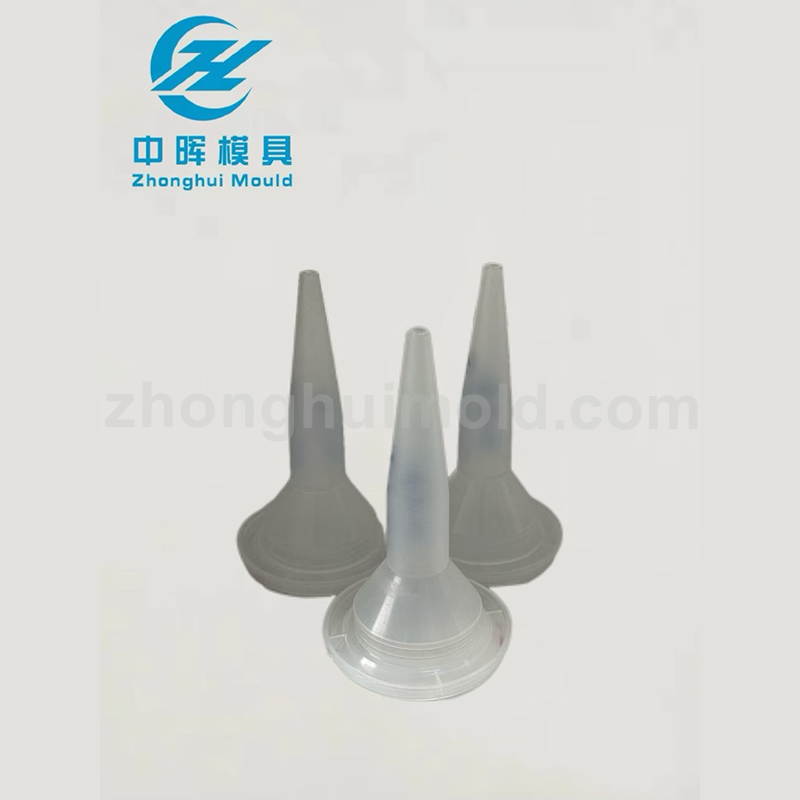
Cartridge moulds are widely used in modern manufacturing for producing precision components that require
consistent shape, reliable sealing performance, and efficient mass production. In many industries, the
cartridge mould application is closely linked to the need for durable, repeatable, and cost-effective
moulding solutions. As demand grows for high-performance cartridges, housings, plugs, caps, and related
parts, cartridge moulds have become an important tool in plastic injection moulding, industrial packaging,
consumer products, and technical components.
If you are researching cartridge mould application for an industry page, product directory,
blog article, or SEO landing page, it is important to understand where these moulds are used, why they are
selected, what advantages they offer, and which specifications matter most. This page provides a clear,
keyword-rich, and search-friendly overview of cartridge mould uses across common industries. The focus is
on general industry information only, without specific company recommendations.
A cartridge mould is a precision mould designed to produce cartridge-shaped or cartridge-related plastic
parts and components. In most manufacturing contexts, the term may refer to moulds used for plastic
cartridges, sealing cartridges, adhesive cartridges, cosmetic cartridges, filter cartridges, ink cartridges,
chemical cartridges, and other cylindrical or container-style parts. These moulds are engineered for
repeatable cavity filling, dimensional accuracy, smooth surface finish, and stable production output.
Cartridge moulds are commonly built for injection moulding, although some applications may involve
specialized forming, overmoulding, or multi-component moulding processes. They are often designed with
attention to wall thickness uniformity, thread detail, locking features, nozzle formation, sealing surfaces,
and compatibility with assembly requirements.
The importance of cartridge mould application comes from the need for consistent, high-volume production of
parts that must perform reliably in real-world use. Many cartridge-style products are used in packaging,
dispensing, filtration, chemicals, construction, printing, healthcare, and industrial systems. If a mould
produces inconsistent dimensions, the final product may leak, jam, fail to seal, or become difficult to
assemble.
Because of this, manufacturers use cartridge moulds to improve:
Cartridge mould application is broad and spans several industries. The following are the most common sectors
where cartridge moulds are widely used in daily manufacturing operations.
One of the most common cartridge mould applications is in adhesive and sealant packaging. Cartridge-style
containers are frequently used for silicone sealants, construction adhesives, polyurethane compounds, epoxy
materials, and other dispensing products. These cartridges must be moulded with accurate dimensions so they
can fit standard dispensing guns, nozzles, caps, and closing systems.
In this sector, cartridge moulds are used to produce:
The main goal is to ensure smooth dispensing, leak resistance, and stable storage performance. Since these
products are often exposed to chemical materials, the moulded parts must support compatibility with
different formulations and retain structural integrity.
The construction industry uses cartridge-based packaging for caulking compounds, grout, construction
adhesives, masonry sealants, and repair materials. Cartridge mould application in this sector focuses on
durable, impact-resistant parts that can survive transport, job site handling, and pressure during
dispensing.
Cartridge moulds for construction products often support:
Because construction products are frequently used in demanding environments, the mould design must account
for toughness, material flow balance, and consistent wall thickness. This improves product reliability and
reduces defect rates.
Many chemical products are packaged in cartridge-style containers for controlled dispensing. This includes
industrial glues, lubricants, repair compounds, coatings, and specialty processing materials. Cartridge
moulds used in this area must support chemical resistance, secure sealing, and stable performance during
storage and transportation.
The cartridge mould application in chemical packaging is especially important because the final product may
be sensitive to contamination, leakage, moisture, or material incompatibility. Precision moulding helps
ensure that:
Cartridge mould application also appears in the cosmetics and personal care industry. Cartridge-style
packaging may be used for lotions, gels, creams, hair treatment products, color cartridges, and beauty
accessories. These products often need attractive appearance, smooth finish, and compact packaging design.
In this field, cartridge moulds are used to manufacture:
Since consumer-facing packaging influences brand perception, surface quality and visual consistency are
important. Moulded cartridge parts in cosmetics must often support elegant appearance, lightweight design,
and hygienic use.
Another major cartridge mould application is in printing and imaging supplies. Ink cartridges, toner
cartridges, and related refill components rely on precision moulded parts to function properly inside
printers, copiers, and digital imaging systems. The mould must support fine details, sealing performance,
and reliable integration with electronic or mechanical systems.
Commonly moulded parts include:
These parts require high precision because even small dimensional errors may affect printing quality, ink
flow, chip alignment, or installation. For this reason, cartridge mould application in printing often
demands tight tolerances and excellent repeatability.
In medical and healthcare manufacturing, cartridge mould application is used for dosing systems, drug
delivery containers, diagnostic components, filtration units, and medical dispensing parts. These products
often require clean production conditions, material stability, and strict dimensional accuracy.
Examples of moulded cartridge-related medical parts include:
In this sector, cartridge moulds support product safety, controlled delivery, and consistent functionality.
Depending on the application, the moulded parts may need to meet special cleanliness or regulatory
requirements, making precision mould design especially important.
Cartridge moulds are frequently used in water treatment and filtration products. Filter cartridges, housing
components, end caps, and connector parts often require moulding for both domestic and industrial filtration
systems. These components must hold filter media securely and maintain flow performance.
Cartridge mould application in filtration supports:
Since filtration systems deal with liquid pressure, contamination control, and fluid flow, mould quality has
a direct impact on final product performance. Consistent geometry helps prevent leakage and improves
reliability in both residential and industrial environments.
The automotive and transportation industry also uses cartridge mould application for fluid cartridges,
maintenance products, specialty housings, and accessory parts. These moulded items may be used in vehicle
repair systems, maintenance equipment, and service cartridges for workshops.
Relevant moulded components can include:
The automotive field values durability, stable fit, and production scalability. Cartridge moulds help create
parts that are suitable for repeat use and efficient servicing.
Many everyday consumer products use cartridge-style packaging or modular cartridge parts. Cartridge mould
application in household goods includes refills, cleaning systems, dispensers, appliance parts, and portable
product containers. These items often require attractive appearance, low cost, and easy user handling.
Examples include:
Because consumer goods must be practical and visually appealing, cartridge moulds in this sector are often
designed for efficient production, simple assembly, and smooth user operation.
Cartridge mould application also extends to electrical and electronic industries. In these sectors, cartridge
components may be used as housings, protective shells, connectors, insulation parts, or modular internal
units. The final products may need to support stability, temperature resistance, or electrical insulation.
Moulded cartridge-type parts can appear in:
The mould must ensure accurate fit and consistent performance, especially when parts are assembled into
compact electronic systems.
Cartridge moulds are popular across industries because they offer several practical manufacturing
advantages. These advantages are one of the reasons cartridge mould application continues to expand in
packaging, industrial production, and consumer product manufacturing.
| Advantage | Description |
|---|---|
| High precision | Supports accurate dimensions, uniform wall thickness, and reliable part fit. |
| Mass production efficiency | Suitable for high-volume output with stable cycle consistency. |
| Good repeatability | Produces similar parts across long production runs with fewer variations. |
| Cost effectiveness | Reduces unit cost in large-scale manufacturing after initial mould investment. |
| Design flexibility | Can support different shapes, closures, threads, and functional features. |
| Improved product quality | Helps reduce defects, leakage, and assembly problems. |
| Material efficiency | Optimized moulding can reduce waste and improve production yield. |
| Scalability | Useful for growing demand in industrial and consumer product markets. |
Cartridge mould application is not limited to one part shape. In practice, cartridge moulds can be used to
produce multiple component types that support dispensing, sealing, and packaging functions.
| Part Type | Typical Use |
|---|---|
| Cartridge body | Main container for adhesives, chemicals, inks, or refills. |
| Cap | Protects contents and prevents contamination or leakage. |
| Nozzle | Controls dispensing direction and flow. |
| Plunger | Supports material movement in dispensing cartridges. |
| End seal | Helps maintain package integrity during transport and storage. |
| Connector ring | Assists with assembly and tool compatibility. |
| Filter shell | Used in filtration and water treatment systems. |
| Internal frame | Provides support in complex cartridge assemblies. |
Material selection is a major factor in cartridge mould application. The material must match the product’s
function, environment, and performance expectations. Common plastics used in cartridge moulding include
polypropylene, polyethylene, ABS, polycarbonate, and other engineering polymers depending on the product
requirements.
| Material | Common Characteristics | Typical Application |
|---|---|---|
| PP (Polypropylene) | Lightweight, chemical resistant, economical | Adhesive cartridges, packaging parts, consumer refills |
| PE (Polyethylene) | Flexible, durable, moisture resistant | Containers, caps, closures, fluid packaging |
| ABS | Rigid, strong, good surface finish | Housings, accessory parts, consumer product shells |
| PC (Polycarbonate) | Impact resistant, transparent or translucent options | Special housings, technical parts, visual inspection components |
| Engineering polymers | High strength, heat resistance, specialized properties | Medical, automotive, industrial, and precision applications |
When discussing cartridge mould application, it is useful to understand the main technical specifications
that influence production quality. These specifications may vary by industry, product design, and production
volume.
| Specification | Why It Matters |
|---|---|
| Cavity count | Affects production output and cycle efficiency. |
| Tolerance control | Ensures proper fit, sealing, and assembly performance. |
| Surface finish | Influences product appearance and flow performance. |
| Gating system | Controls material flow and reduces defects. |
| Cooling design | Improves cycle time and dimensional stability. |
| Ejection system | Helps release the part safely without damage. |
| Material compatibility | Supports the intended plastic resin and product use. |
| Tool life | Important for long-term production consistency and cost control. |
The performance of a cartridge-based product depends heavily on the quality of the mould used to create it.
Good cartridge mould application improves sealing performance, dispensing accuracy, structural strength, and
user experience. In packaging systems, this helps reduce leakage. In printing systems, it helps improve ink
control. In medical and filtration systems, it contributes to safer and more reliable function.
Precision moulding also helps support easier assembly. Parts with clean geometry and accurate dimensions are
easier to combine with caps, nozzles, plugs, seals, and external tooling. This is one reason cartridge
moulds are common in assembly-driven manufacturing environments.
Cartridge moulds are especially valuable in high-volume production because they can produce large quantities
of parts with consistent quality. This makes them suitable for industries where demand is stable and
repetitive, such as packaging, building materials, printing supplies, filtration, and consumer products.
High-volume cartridge mould application offers manufacturers several operational benefits:
Several design factors affect the success of cartridge mould application. These factors should be considered
during product development and mould planning to improve manufacturability and long-term performance.
| Design Factor | Impact on Production |
|---|---|
| Wall thickness | Influences strength, cooling, and sink mark control. |
| Draft angle | Helps part release during ejection. |
| Thread design | Important for caps, closures, and assembly fit. |
| Seal surface | Critical for leak prevention and tight closure. |
| Gate position | Affects filling balance and cosmetic quality. |
| Cooling layout | Impacts cycle time and dimensional accuracy. |
| Material flow path | Helps avoid warpage, short shots, and stress concentration. |
Cartridge mould application is common in many industries because cartridge-style parts are essential for
packaging, dispensing, sealing, filtering, and controlled delivery systems. From adhesive cartridges and
construction sealants to ink cartridges, cosmetic packaging, medical devices, and filtration components,
cartridge moulds help manufacturers produce reliable, consistent, and functional parts at scale.
The strongest advantages of cartridge mould application include precision, repeatability, mass production
efficiency, cost effectiveness, and design flexibility. As industries continue to demand more accurate and
efficient plastic components, the role of cartridge moulds remains highly important in modern manufacturing.
For SEO and content indexing purposes, the following keyword phrases are commonly associated with this topic:
Cartridge mould application is widely used across adhesive packaging, construction materials, chemical
containers, cosmetics, printing supplies, medical products, filtration systems, automotive accessories,
household goods, and electronic components. Because cartridge-style parts must often balance precision,
sealing performance, durability, and cost efficiency, cartridge moulds remain essential in modern
manufacturing.
If your goal is to build an SEO-friendly industry page or blog article, focusing on cartridge mould
application provides strong search relevance and useful informational value. The topic naturally supports
commercial keywords, technical terms, and industry-specific use cases, making it ideal for Google
indexing and organic ranking.
تقع شركة Foshan Zhonghui Mould Technology Co., LTD في مدينة فوشان بمقاطعة قوانغدونغ، الصين. مصنعنا متخصص في تصميم وتصنيع قالب مانع التسرب السيليكوني لأكثر من 23 عامًا، ويقود ورشة الإنتاج فريق يتمتع بخبرة تصنيع احترافية.
DI Tianq UN انظر المنطقة الصناعية، مدينة التثبيت، منطقة C سيول، مدينة F o الجبلية، مقاطعة GU Plan G Building، الصين (F o Mountain z Red Club mol Factory)
1415806738@qq.com
+86 13516637833/ +86 15916149052


حقوق الطبع والنشر © 2026 Zhonghui Mould Technology Co., Ltd
خريطة الموقعيستخدم هذا الموقع ملفات تعريف الارتباط لضمان حصولك على أفضل تجربة على موقعنا.
 English
 ไทย
 हिन्दी
 فارسی



 هاتف
تعليق
(0)